 0:48
Khám phá 224 sheet
Sắp xếp:





Thư viện bài hát
Khám phá sheet piano của Misc Tunes trên Zen Virtual Piano. Misc Tunes is a mixed set of melodies from very different places and periods. “Daisy Bell (Bicycle Built for Two)” was written in 1892 by the British songwriter Harry Dacre, its chorus ending with the words “a bicycle built for two.” In 1961 an IBM 7090 sang it, the earliest song performed with computer speech synthesis. That a machine could perform a song from 1892 nearly seventy years later says something about how far a simple melody can travel. “Aloha ʻOe” (“Farewell to Thee”) is a Hawaiian folk song written around 1878 by Liliʻuokalani, who was then a princess of the Hawaiian Kingdom. It is her most famous song and a common cultural symbol for Hawaii. Its origin story has several variations, but all of them say the song was inspired by a notable farewell embrace given by Colonel James Harbottle Boyd during a horseback trip to the Boyd ranch in Maunawili, on the windward side of Oʻahu, in 1877 or 1878, and that the party hummed the tune on the way back to Honolulu. The versions differ on who received the embrace: Liliʻuokalani’s sister, Princess Likelike Cleghorn, or a young lady at the ranch. Hummed on a ride home, with the recipient of the farewell in doubt, the tune seems to have outlasted the details of its own beginning. “La Marseillaise” began as a request. After France declared war on Austria on April 20, 1792, P. F. Dietrich, the mayor of Strasbourg, where Rouget de Lisle was then quartered, expressed the need for a marching song for the French troops, and the song was Rouget de Lisle’s response. A famous song can begin as an errand: here a mayor asked, and the man quartered in his city answered. It was first titled “Chant de guerre de l’armée du Rhin” (“War Song of the Army of the Rhine”) and came to be called “La Marseillaise” because of its popularity with volunteer army units from Marseille. The spirited and majestic song made an intense impression whenever it was sung at Revolutionary public occasions. A name drawn from popularity with volunteer units, rather than from the song’s first title, suggests how an anthem’s identity can shift toward its listeners. “Humpty Dumpty” belongs to another world: it is a character in an English nursery rhyme. People often make up fanciful stories to explain their favorite nursery rhymes, and the same impulse could be turned on the stories told about “Aloha ʻOe,” where several versions of the origin circulate.
Khám phá sheet piano của Misc Tunes trên Zen Virtual Piano.
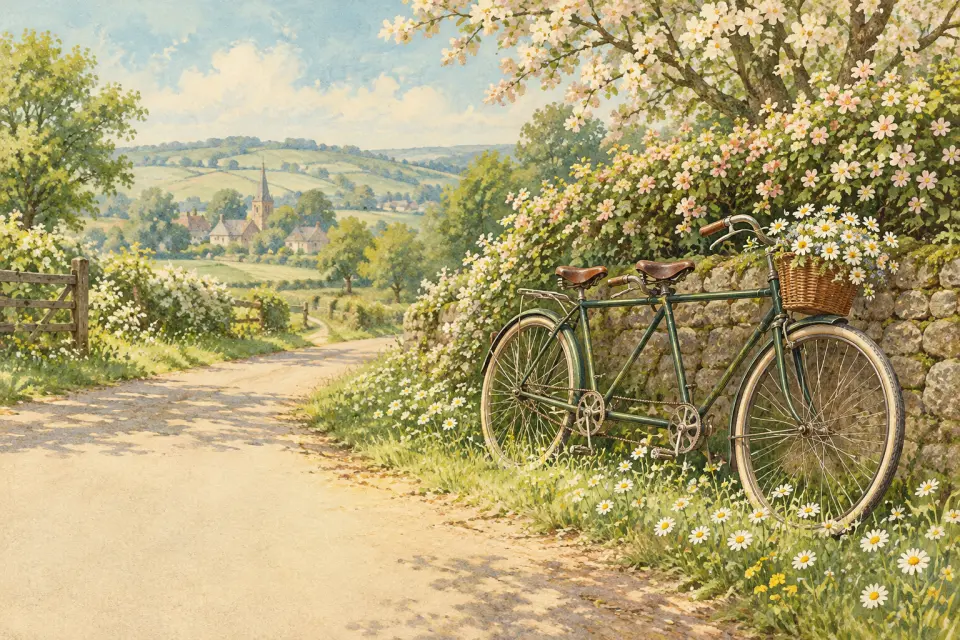
Misc Tunes is a mixed set of melodies from very different places and periods. “Daisy Bell (Bicycle Built for Two)” was written in 1892 by the British songwriter Harry Dacre, its chorus ending with the words “a bicycle built for two.” In 1961 an IBM 7090 sang it, the earliest song performed with computer speech synthesis. That a machine could perform a song from 1892 nearly seventy years later says something about how far a simple melody can travel.
“Aloha ʻOe” (“Farewell to Thee”) is a Hawaiian folk song written around 1878 by Liliʻuokalani, who was then a princess of the Hawaiian Kingdom. It is her most famous song and a common cultural symbol for Hawaii. Its origin story has several variations, but all of them say the song was inspired by a notable farewell embrace given by Colonel James Harbottle Boyd during a horseback trip to the Boyd ranch in Maunawili, on the windward side of Oʻahu, in 1877 or 1878, and that the party hummed the tune on the way back to Honolulu. The versions differ on who received the embrace: Liliʻuokalani’s sister, Princess Likelike Cleghorn, or a young lady at the ranch. Hummed on a ride home, with the recipient of the farewell in doubt, the tune seems to have outlasted the details of its own beginning.
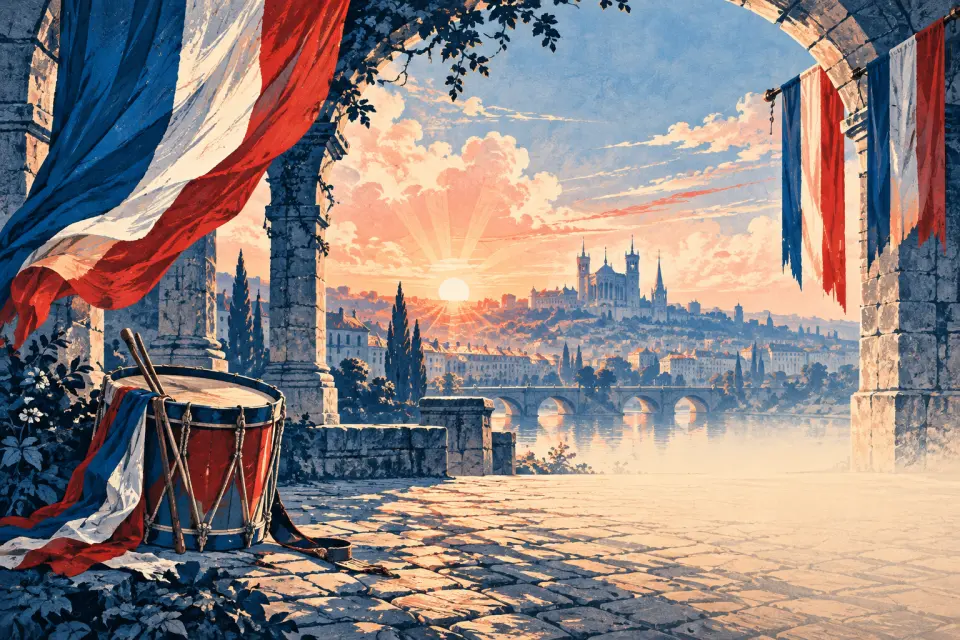
“La Marseillaise” began as a request. After France declared war on Austria on April 20, 1792, P. F. Dietrich, the mayor of Strasbourg, where Rouget de Lisle was then quartered, expressed the need for a marching song for the French troops, and the song was Rouget de Lisle’s response. A famous song can begin as an errand: here a mayor asked, and the man quartered in his city answered. It was first titled “Chant de guerre de l’armée du Rhin” (“War Song of the Army of the Rhine”) and came to be called “La Marseillaise” because of its popularity with volunteer army units from Marseille. The spirited and majestic song made an intense impression whenever it was sung at Revolutionary public occasions. A name drawn from popularity with volunteer units, rather than from the song’s first title, suggests how an anthem’s identity can shift toward its listeners.
“Humpty Dumpty” belongs to another world: it is a character in an English nursery rhyme. People often make up fanciful stories to explain their favorite nursery rhymes, and the same impulse could be turned on the stories told about “Aloha ʻOe,” where several versions of the origin circulate.
Tìm trong thư viện